

Essential Boat Ropes and Shock Cords for Safe Water Adventures
Whether you're a seasoned sailor or a weekend water adventurer, your boat’s safety and performance rely on more than just the engine or the hull. One of the most overlooked but critical components of any marine setup is the rope. From docking and anchoring to securing gear and handling emergencies, choosing the right boat ropes and shock cords can make all the difference when you’re out on the water.

The Importance of High-Quality Boat Ropes
Why Rope Quality Matters for Safety
The open water is no place for substandard gear. When your vessel is exposed to constant motion, changing tides, and unpredictable weather, you need high quality rope that won't let you down. Ropes take on intense loads and stress, especially during docking, mooring, or anchoring. If your rope snaps or deteriorates prematurely, it can pose serious risks not just to your boat but also to your crew’s safety.
Choosing the Right Rope for Marine Environments
Marine environments introduce unique challenges—saltwater corrosion, UV exposure, and mechanical wear from cleats and pulleys. That’s why it’s essential to invest in durable rope that’s specifically designed for boating and marine applications. A quality rope built for these conditions will have enhanced resistance to wear and won’t stiffen or degrade quickly, ensuring longer service life and reliability.
Types of Ropes for Marine Adventures
Dock Lines and Mooring Ropes
Docking a boat requires ropes that are not only strong ropes but also flexible enough to absorb the shocks and jerks caused by waves and boat movement. Dock lines are typically made from double-braided or twisted nylon, known for its elasticity and strength. These are the best ropes for withstanding the tension and strain that docking and mooring demand.
Utility Cords and Shock Cords
For lighter, versatile tasks, utility cords and shock cords are excellent companions. These are perfect for tying down gear, securing tarps, or even setting up canopies. Shock cords have elastic cores, allowing them to stretch and return to shape, which is ideal for items that need some flexibility or tension.

Key Features to Look for in Marine Ropes
Strength and Durability
When you’re assessing which rope to choose, start by looking at its tensile strength, abrasion resistance, and UV protection. A ensures that it can handle the load without fraying or snapping. Durable construction also means fewer replacements and lower long-term costs.
Flexibility and Resistance to the Elements
Marine rope must remain supple, even after repeated soaking and drying. Flexible ropes are easier to knot, store, and deploy. Make sure your selection is resistant to mold, mildew, and sun damage—common factors that compromise outdoor ropes over time.
Where to Buy the Best Marine Ropes
Identifying Trusted Boat Ropes & Marine Supplies Stores
When researching where to buy rope, prioritize retailers that specialize in Boat Ropes & Marine Supplies. These stores often carry a curated selection of ropes specifically suited to the challenges of marine life. Their inventory is typically vetted for strength, flexibility, and resistance.
What Makes a Vendor Reliable?
Look for vendors who offer clear product specifications, usage guidelines, and material certifications. A reliable supplier should provide a wide range of good ropes, including both general-purpose and specialty ropes for boating, fishing, and docking applications. Customer reviews and warranties can also help you gauge the quality of service and product reliability.
Product Spotlight: Crab Line - Polyester Diamond Braid Utility Cord
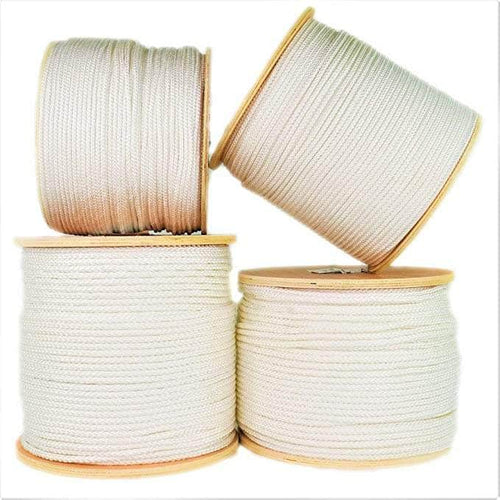
This Polyester Diamond Braid Utility Cord is a versatile solution ideal for crab fishing, boating, and general outdoor use. It features a parallel core that enhances strength without adding bulk. Built from premium polyester, this rope stands up against water, salt, and sunlight with exceptional resistance. Whether you're heading out for a casual fishing trip or need a dependable line for everyday marine tasks, this crab line is a handy addition to your gear.
Key Features:
- Braided polyester shell with parallel core for durability
- Excellent resistance to UV rays and moisture
- Lightweight, flexible, and easy to handle
- Ideal for crab traps, tie-downs, and utility use
Outdoor Rope Applications Beyond the Dock
Kayaking, Fishing, and Sailing Use Cases
Ropes aren’t just for docking. They’re essential for anchoring kayaks, lashing paddles, and securing coolers or equipment. A reliable outdoor rope helps keep your accessories tethered in rough currents and wind. When sailing, ropes are the lifelines for controlling sails, adjusting tension, and ensuring maneuverability.
Emergency Situations and Everyday Utility
In emergencies, such as a person overboard or a drifting vessel, a good marine rope can serve as a towline or rescue line. They’re also useful for setting up makeshift shelters, towing dinghies, or securing tarps. In everyday use, these ropes become indispensable—compact, reliable, and ready for action whenever needed.
Product Spotlight: Double-Braided Nylon Dock & Mooring Line

The Double-Braided Nylon Dock & Mooring Line is the gold standard for mooring. It combines inner core strength with outer sheath flexibility, offering high shock absorption and resistance to saltwater and abrasion. Designed specifically for marine use, this rope maintains strength while staying pliable, even in the harshest conditions. Its double-braided construction prevents fraying and delivers smooth handling during docking.
Key Features:
- Double-braided nylon for maximum strength and elasticity
- Superior resistance to saltwater, UV rays, and abrasion
- Ideal for docking, anchoring, and mooring applications
- Easy to splice and handle, even when wet
Caring for and Maintaining Your Marine Rope
Cleaning and Storage Tips
Saltwater can be brutal on even the best ropes. After use, rinse your boat ropes with fresh water to remove salt, dirt, and debris. Allow them to dry completely before storing to prevent mold and mildew. Coil the rope neatly and store it in a dry, shaded place. Avoid leaving ropes in direct sunlight for prolonged periods to preserve their integrity.
When to Replace Your Boat Ropes
Routine inspection is essential. If you notice fraying, stiff spots, or signs of rot, it may be time to replace the rope. Even the most durable rope has a lifespan, especially when exposed to the elements regularly. For safety-critical uses like mooring and towing, err on the side of caution and replace sooner rather than later.

FAQs
What’s the difference between dock line and shock cord?
Dock lines are designed for heavy-duty tasks like mooring and anchoring, offering high tensile strength and stretch. Shock cords, on the other hand, have elastic cores and are used for flexible, low-load applications like securing gear.
How long does a marine rope last?
The lifespan depends on usage and exposure, but quality marine rope can last several years with proper care. Frequent inspection and maintenance can help extend its usability.
What is the best rope material for saltwater use?
Nylon and polyester are top choices. Nylon offers elasticity and shock absorption, while polyester resists UV and water damage—making them ideal outdoor ropes for marine use.
Can I use outdoor ropes for boat anchoring?
Only if they are rated for marine use. Regular outdoor ropes may not withstand the strain or environmental factors like salt and sun. Always opt for ropes tested for marine conditions.
Conclusion
Ropes are the quiet workhorses of any successful boating or marine adventure. Choosing the right high quality rope—be it for docking, anchoring, or gear security—ensures not just functionality but peace of mind. By investing in specialized boat ropes and maintaining them well, you're investing in your safety and the longevity of your equipment. Whether you’re navigating calm lakes or braving rough seas, the right marine rope is your best ally on the water.
No comments